Basement Flooding Cleanup in Plymouth, MA
Plymouth basements take water from groundwater, storms, failed pipes and septic backups. The extraction crew pumps it out, removes what cannot be saved and dries the walls and slab to the IICRC S500 standard.
(888) 480-6221Get the basement pumped out now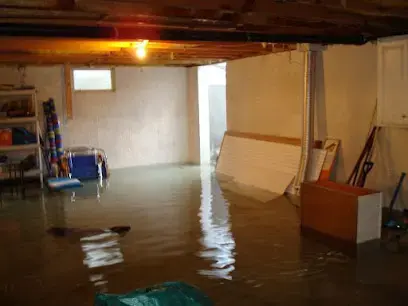
Basement Flooding Cleanup at a glance
First steps for basement flooding cleanup in Plymouth
- 1
Stay off wet stairs if power is on
Water and live outlets near the floor do not mix.
- 2
Cut power to the basement
Only from a dry panel you can reach safely.
- 3
Find the source
A pipe, the water heater, a drain or water through the walls.
- 4
Photograph, then call
Record the water depth and stored items before moving them.
How basement flooding cleanup works in Plymouth
A basement collects water from every level above it and from the ground around it. Older Plymouth houses sit on fieldstone or brick foundations that were never meant to be dry rooms. Later homes have block or poured walls, and many have been finished with carpet, drywall and a family room. The source of the water decides what can be saved.
What does basement flooding cleanup cost in Plymouth, MA?
In Plymouth, MA, basement flooding cleanup typically runs $2,000 to $15,000, depending on the water category, how deep it got, whether the basement is finished and how much drywall, carpet and insulation has to come out.
Unfinished basement
$2,000 to $5,000- Pump-out
- Slab extraction
- Dehumidification
Finished basement
$5,000 to $10,000- Carpet and pad removal
- Flood cuts
- Cavity drying
Deep or contaminated water
$10,000 to $15,000- Category 3 removal
- Antimicrobial treatment
- Containment
Ranges are typical, not a quote: category of water, square footage, material class and how fast drying started move the number most. Run the Plymouth water damage cost calculator for a closer range.
The basement flooding cleanup process, stop by stop
The tech who does the walkthrough maps moisture before any equipment goes down, so the drying plan matches what is actually wet. Equipment stays until the readings say dry, not until the room looks dry.
- 1
Pump and extract
Deep water pumped, then the slab and carpet extracted.
- 2
Sort by category
Clean, gray or black water decides what stays.
- 3
Remove and open
Wet finishes cut out where the category calls for it.
- 4
Dry and verify
Readings logged daily until walls and slab are dry.
Why Plymouth basements flood
Groundwater rises near the kettle ponds and cranberry bogs every spring, and heavy rain from a nor'easter finds every crack. Indoors, water heaters, washers and frozen pipes fail at the lowest level.
- Seepage through fieldstone and block walls after long rains.
- Sump pumps that fail or lose power in a storm.
- Septic and drain backups through a floor drain.
How the extraction crew handles it
Deep water is pumped out first, then the crew extracts the slab and any carpet. Clean water caught early lets drywall and framing dry in place. Groundwater and storm water are treated as contaminated, so wet drywall gets a flood cut above the high-water mark and carpet and pad come out. Fieldstone holds water for a long time, so dehumidifiers run until the air and the framing reach the goal.
- Pump-out and truck-mounted extraction.
- Flood cuts and removal of wet insulation where the category calls for it.
- LGR dehumidifiers and air movers with daily readings.
Lowering the risk
Keep gutters clear, extend downspouts away from the foundation and test the sump pump before spring. Ready.gov flood preparation and FEMA flood maps show the flood picture for your street. A failed pump has its own page: sump pump failure cleanup.
Basement flooding cleanup across Plymouth and the bay towns
The Plymouth restoration crew covers ZIP 02360, 02361, 02362 and Manomet 02345, from Downtown Plymouth and North Plymouth out to Manomet, Cedarville, West Plymouth and The Pinehills.
Nearby coverage reaches Kingston, Duxbury, Carver, Plympton, Marshfield, Wareham, Bourne.
Related water damage services in Plymouth
Basement Flooding Cleanup questions in Plymouth, MA
Is basement floodwater always contaminated?
No. A burst supply pipe is clean water. Groundwater, storm water and anything from a floor drain are treated as contaminated and handled as Category 2 or 3.
Does drywall in a finished basement have to come out?
Drywall touched by contaminated water comes out with a flood cut above the high-water mark. Clean water caught early can often be dried in place.
Why does a fieldstone basement take longer to dry?
Stone and mortar hold a lot of water and release it slowly. Dehumidifiers run until the air and framing reach the goal, even if the stone stays cool and damp.
Can I pump the water out myself?
A small pump helps on clean water. Deep water against the foundation should come down gradually in some cases, and contaminated water needs protective gear.
How long does a basement take to dry?
Usually four to seven days after extraction. Finished basements and fieldstone walls take longer.
Is basement flooding covered by insurance?
Water from a sudden pipe or appliance failure is often covered. Groundwater and surface flooding usually fall under flood insurance, and sump or drain backup needs an endorsement. Check with your own insurer.
Still dealing with basement flooding cleanup?
Shut off the water at the source if it is safe, keep clear of wet outlets, then call.
Basement flooding in Plymouth? Get it pumped out.
Water against a foundation keeps soaking into framing and finishes. The extraction crew pumps it out and starts drying.
(888) 480-6221Plymouth basement crew, 24/7- Dispatch around the clock, storm nights included
- Drying held to the IICRC S500 standard
- Daily moisture logs for the claim file
- Find us on Google