Water Extraction and Removal in Plymouth, MA
Standing water does the most damage in the first hours. The extraction crew pulls it out with truck-mounted and portable units, maps what is still wet and sets up drying the same visit.
(888) 480-6221Get the standing water out now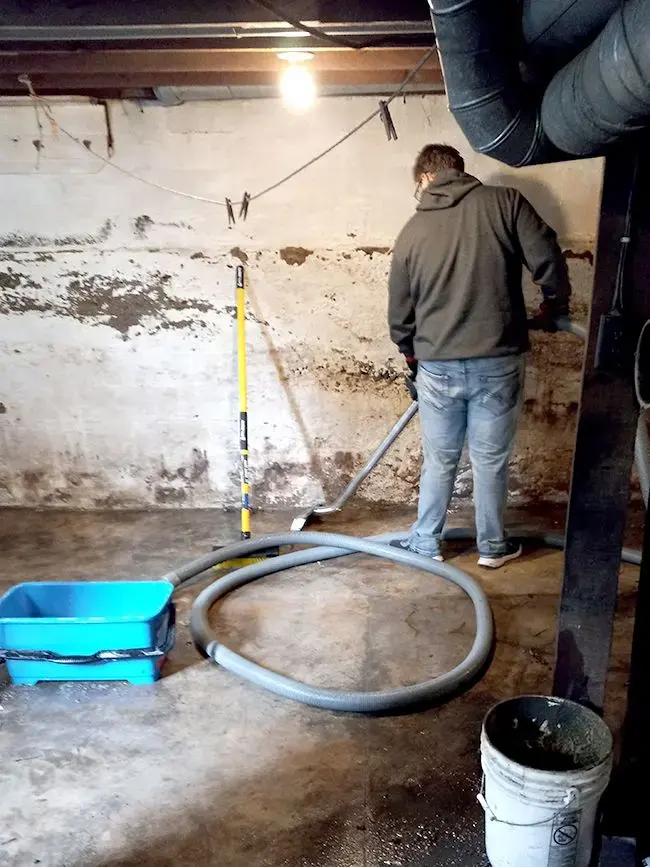
Water Extraction and Removal at a glance
First steps for water extraction and removal in Plymouth
- 1
Stop the source
Close the main valve or the fixture shut-off.
- 2
Stay out of deep water
Keep clear of outlets and cords in wet rooms.
- 3
Lift what you can
Move rugs, electronics and papers to a dry floor.
- 4
Photograph, then call
Capture every wet room before anything moves.
How water extraction and removal works in Plymouth
Extraction is the cheapest step in any dry-out. A gallon pulled out by a wand never has to be evaporated by a dehumidifier, so the extraction crew works fast and works first. In Plymouth that often means a basement after a nor'easter, a kitchen after a supply break or a first floor under a burst pipe in a closed cottage.
What does water extraction and removal cost in Plymouth, MA?
In Plymouth, MA, water extraction typically runs $900 to $7,500, depending on how much floor is wet, how deep the water is, whether carpet and pad stay and how many levels it reached.
Single room
$900 to $2,500- Surface extraction
- Carpet and pad check
- Moisture map
Several rooms
$2,500 to $5,000- Truck-mounted extraction
- Pad removal
- Air movers set
Whole level or basement
$5,000 to $7,500- Deep water removal
- Flooring removal
- LGR dehumidifiers
Ranges are typical, not a quote: category of water, square footage, material class and how fast drying started move the number most. Run the Plymouth water damage cost calculator for a closer range.
The water extraction and removal process, stop by stop
The tech who does the walkthrough maps moisture before any equipment goes down, so the drying plan matches what is actually wet. Equipment stays until the readings say dry, not until the room looks dry.
- 1
Assess
Source, category and depth recorded with photos.
- 2
Extract
Standing water and saturated carpet pulled out first.
- 3
Map
Meters and thermal imaging show what is still wet.
- 4
Dry
Air movers and dehumidifiers set to the class of loss.
What extraction covers in a Plymouth home
The crew removes surface water, then the water held in carpet and pad, then the water trapped under floating floors and in low spots against fieldstone walls.
- Truck-mounted units for large or deep water when the truck can park close.
- Portable extractors for upstairs rooms, condos and tight cottage lots.
- Weighted extraction tools that squeeze water out of carpet and pad.
Carpet, pad and what stays
Clean water caught early lets carpet be dried in place; the pad is often replaced because it holds water like a sponge. Gray water usually means the pad goes. Any carpet touched by Category 3 water, from a septic backup or coastal flooding, is removed, not cleaned. The tech who does the walkthrough explains each call against the S500 standard.
- Clean water: dry in place when the source is stopped quickly.
- Gray water: pad out, carpet cleaned and treated.
- Black water: carpet and pad removed and bagged.
After the water is out
Extraction ends with a moisture map so the drying plan matches what is actually wet. Ready.gov flood safety covers staying safe around standing water, and the EPA indoor air quality pages explain why damp rooms need real drying. The next step is structural drying in Plymouth, and the water damage cost calculator gives a typical range.
Water extraction and removal across Plymouth and the bay towns
The Plymouth restoration crew covers ZIP 02360, 02361, 02362 and Manomet 02345, from Downtown Plymouth and North Plymouth out to Manomet, Cedarville, West Plymouth and The Pinehills.
Nearby coverage reaches Kingston, Duxbury, Carver, Plympton, Marshfield, Wareham, Bourne.
Related water damage services in Plymouth
Water Extraction and Removal questions in Plymouth, MA
How fast should water be extracted?
As soon as the source is stopped. Water wicks into drywall and subfloor every hour it sits, and clean water can degrade to a dirtier category after a day or two.
Can I use a shop vac instead?
A shop vac helps on a small clean-water spill. It cannot pull water out of pad or from under flooring, and it should never be used on sewage or floodwater.
Will my carpet be saved?
Carpet wet with clean water and extracted quickly often dries in place. Pad is usually replaced, and anything touched by Category 3 water is removed.
What happens after extraction?
The crew maps moisture, sets air movers and LGR dehumidifiers, and checks readings daily until materials reach the dry goal.
Is extraction covered by insurance?
Extraction after a sudden and accidental leak is often part of a covered claim. Coverage depends on your policy, so check with your own insurer.
Why does extraction come before fans?
Removing water mechanically is many times faster than evaporating it. Fans on standing water mostly raise the humidity.
Still dealing with water extraction and removal?
Shut off the water at the source if it is safe, keep clear of wet outlets, then call.
Standing water in Plymouth? Get it out now.
Each hour of standing water pushes it deeper into the subfloor. The extraction crew pulls it out and maps what is left.
(888) 480-6221Plymouth water removal, 24/7- Dispatch around the clock, storm nights included
- Drying held to the IICRC S500 standard
- Daily moisture logs for the claim file
- Find us on Google