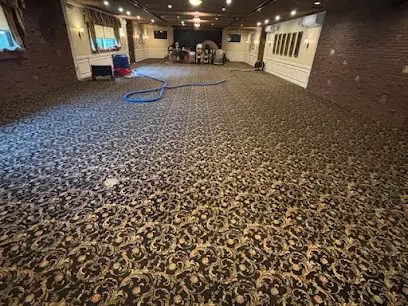
The Brant Rock Esplanade is a low strip of businesses and homes inland from the seawall. Waves splash over the wall, drainage is poor, and the water reaches the doors.
Key takeaways
- The Esplanade floods several times a year to a depth of one to two feet, so a flood plan is ordinary business planning.
- On January 4, 2018, some Esplanade businesses had more than 3 feet of standing water.
- Coastal flood water is treated as contaminated, so porous finishes and stock that soaked are usually removed.
- Photographs, inventory lists and a daily log are the core of a commercial claim.
- Phased drying keeps part of a building open while the rest is dried.
Why the Esplanade floods so often
The Brant Rock Esplanade sits low and close to the sea. The Town's hazard plan says it floods several times a year, to a depth of one to two feet, because waves splash over the seawall and there is little drainage to take the water away.
Most of Marshfield's ocean coast is protected by seawalls, and waves periodically top them. They carry debris, including cobblestones, into low streets.
The record owners point to
On January 4, 2018, coastal flooding from a major winter storm reached still water levels not seen since the Blizzard of 1978, and some Esplanade businesses had more than 3 feet of standing water.
In March 2018, the third high tide on March 3 flooded Brant Rock and damaged homes. On February 2, 2021, a windy storm put ten inches of water over the Esplanade.
More recent floods
On October 27, 2021, a nor'easter with gusts of 60 to 90 mph or more flooded low roads in Brant Rock around homes and businesses. On February 23, 2026, flooding and snow reached the Esplanade at the morning high tide during a winter storm.
The pattern is steady enough that owners here plan for it, the way other shops plan for snow.
The first day for a shop, restaurant or office
The first day is a short list of safe, useful moves. The goal is to protect people, stop damage from growing and give the insurer a clear record.
- Keep staff and customers out until the power is confirmed off and the floor is safe.
- Do not turn on lights, coolers or fryers in a wet room. Electrical equipment that stood in water needs inspection.
- Photograph the waterline, the stock, the fixtures and the floor before anything moves.
- Lift stock, paper and electronics onto higher shelves only if it is safe to do so.
- Call the insurer and the landlord, and ask who controls the building systems and the claim.
- Call a commercial water damage crew so extraction can start as soon as the room is safe.
What the water is, and what it does to a commercial space
Water that crossed the seawall and the street is not clean. It carries sand, debris, oil and sewage, so it is treated as Category 3 water.
That changes what can be saved. A restaurant or store has more porous material than a home, from ceiling tile to wall base to cabinets.
Materials that usually come out
The crew removes what soaked and cannot be cleaned to a safe standard. That is not a matter of taste.
- Carpet, carpet tile and pad.
- Insulation and drywall that wicked water up from the floor.
- Ceiling tile and insulation that got wet from a leak above.
- Particleboard cabinets and shelving that swelled.
- Food, packaging and paper stock that touched the water.
Materials that can often stay
Concrete, tile and sealed hard surfaces are cleaned and treated, then dried. Metal shelving and stainless steel equipment are wiped down and disinfected.
Extraction and phased drying
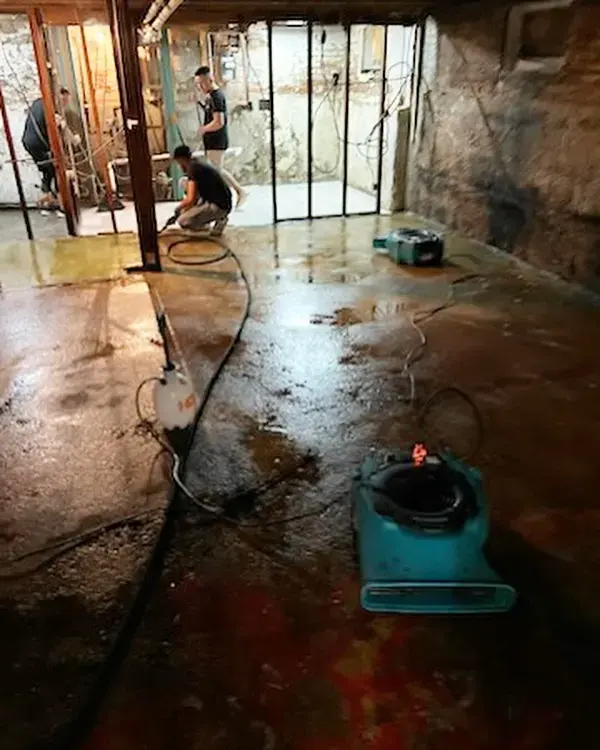
Standing water is pumped out first, then the floor is extracted again. Delay lets water move into subfloors, cabinets and the wall base.
After that, drying equipment goes in. Commercial buildings are usually dried in phases so part of the space can reopen while the rest is worked.
How a crew keeps downtime short
A plan is made for each zone. The kitchen, the sales floor and the back office have different materials and different deadlines.
Equipment is placed where it dries fastest and blocks the least, and readings show when a zone is finished. Details are on the commercial water damage page and the Marshfield version at commercial water damage in Marshfield.
Coastal humidity
A building within reach of the sea stays humid. That slows drying, so dehumidifiers are chosen for low humidity air, not just warmth.
For the full coastal workflow see storm flood cleanup in Marshfield.
The claim file for a commercial loss
A commercial claim usually asks for more detail than a home claim. Business interruption, stock and equipment each have their own paperwork.
Ask your own insurer which coverage applies to wave and surge water, because policies differ.
- Dated photographs and video of every room and of the street outside.
- A list of stock and equipment affected, with receipts if possible.
- A copy of the lease section about who maintains the building.
- Daily drying logs and moisture readings from the crew.
- Records of hours closed and wages paid, for any interruption claim.
Getting ready for the next high tide
The Brant Rock seawall was rebuilt with 1,200 feet raised 3.5 feet, and the Town now requires residential parking above the Design Flood Elevation in new mixed use construction there. Several houses have been elevated on open piles.
Business owners can do small things on the same logic: keep stock off the floor, put valuables upstairs when a storm is forecast and know the shutoffs for water and power.
A short storm checklist
Check the forecast and the tide, move stock, photograph the shop before closing and keep the number of a restoration crew where staff can find it. Look at the Marshfield hub for the services covered nearby.
Questions
How often does the Brant Rock Esplanade flood?
The Town's hazard plan says it floods several times a year, to a depth of one to two feet, because of wave splash over the seawall and a lack of drainage.
Is coastal flood water considered contaminated?
Yes. It is treated as Category 3 water, so porous materials that soaked in it are usually removed and hard surfaces are cleaned and treated.
Can a restaurant stay open while drying is under way?
Sometimes. Crews dry a commercial building in phases, so a clean zone can reopen while another is worked, if the health rules and the insurer allow it.
What should be documented for a commercial claim?
Photographs and video, a stock and equipment list, drying logs, the lease terms and records of closed hours. Ask your own insurer what else the policy requires.
Who should be called first after Esplanade flooding?
Turn off power only if it is safe to do so, call the insurer and landlord, and call a commercial crew so extraction can start as soon as the room is safe.