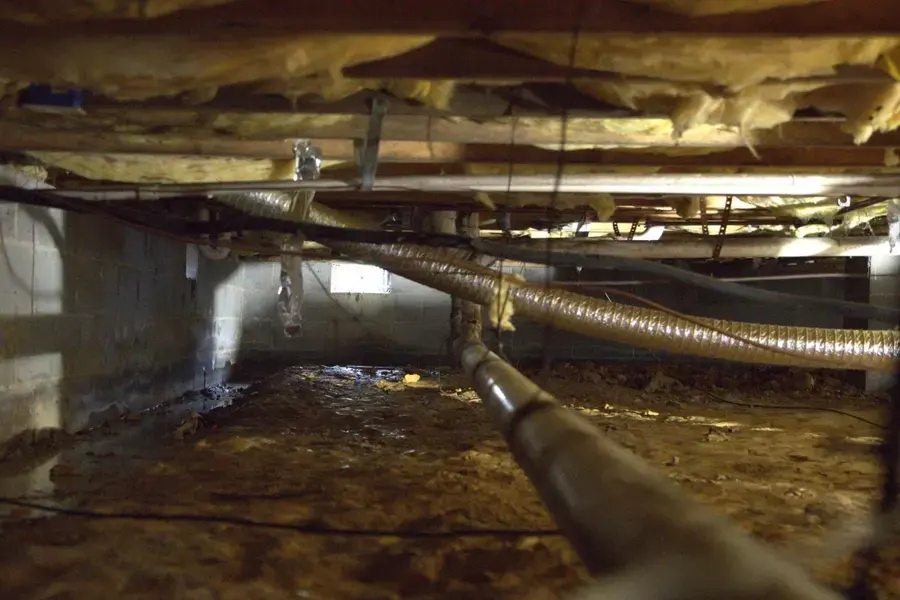
A closed up cottage can lose a pipe in the first hard freeze and nobody learns about it until spring. The water runs, soaks the floor and the walls, and has weeks to spread.
Key takeaways
- Seasonal homes by the ponds and beaches are exposed because heat drops and nobody is there to notice a leak.
- Pipes in crawl spaces and exterior walls freeze first, and they are the hardest to see.
- Shutting off the main and draining the system is safer than trusting a thermostat set low.
- A burst pipe in an empty house can run until the pipe is found, so every day counts once it is discovered.
- Thermal imaging and moisture readings find wet cavities that look dry on the surface.
Why seasonal Plymouth homes are the ones at risk
Plymouth has hundreds of kettle ponds, long beaches and cottages built for summer. Many were framed with light walls, small crawl spaces and plumbing run along the cold side of the house.
The town sees deep cold snaps, and the February 2023 Arctic blast showed how quickly burst pipes follow.
Where the cottages are
Seasonal cottages sit by the ponds and beaches, including White Horse Beach and the shores of Long Pond, and in neighborhoods such as Ellisville. Other owners keep a second home in Manomet or West Plymouth and visit only on weekends.
The common thread is not the neighborhood. It is how long the heat stays low and how long the house goes without a visit.
What changes when nobody is home
In an occupied house, a split pipe is noticed from the sound, the water pressure or a stain. In a closed cottage the water runs unseen.
It soaks insulation, drips into the crawl space and travels along framing to places far from the break.
Where pipes split first
Frozen pipes are mostly a problem of location. The pipe that freezes is not the one in the warm kitchen.
It is the one with the least heat around it.
- Pipes in crawl spaces, where cold air moves under the floor and the ground gives no warmth.
- Pipes in exterior walls, especially behind a sink on a north wall.
- Outdoor spigots, hose bibs and the short runs of pipe that feed them.
- Pipes in an unheated porch, mudroom or utility closet.
- Galvanized and older metal pipe, which is rougher inside and fails at joints and fittings.
A closing checklist before the first freeze
Closing a house properly is cheaper than cleaning up one that was not closed. A plumber can drain the system, and some owners prefer to leave heat on.
Either choice needs a plan that does not depend on luck.
If the water is shut off and drained
Close the main, open every faucet, flush toilets and drain the water heater. Pour antifreeze made for plumbing into traps, and leave faucets open so any remaining water has room to expand.
- Shut off the main and the water heater supply.
- Open the lowest and highest faucets to drain the system.
- Drain hoses and outdoor spigots, and close the inside shutoff for each one.
- Turn off the heater power or gas at the tank before it is drained.
- Photograph the house so any later change is easy to see.
If the heat stays on
Set the thermostat well above freezing, open cabinet doors under sinks on outside walls and ask someone to check the house on a schedule. A thermostat low enough to save fuel is often low enough to let a cold wall freeze.
A power outage ends the plan, because heat stops with it. A battery alert or a neighbor who can look in is worth more than a lower fuel bill.
What the first look finds after a freeze
A visit after a cold snap should start outside the plumbing. Look for water at the foundation, a running meter or a wet ceiling.
If something looks wrong, shut off the main first and then call. The sooner the water stops, the less there is to dry.
- A damp or sagging ceiling below a bathroom or kitchen.
- Stained or bubbling paint on an exterior wall.
- A sound of running water in a house where nothing is on.
- A musty smell in the crawl space or a wet floor under a sink.
- Ice on a pipe, which means the pipe may split when it thaws.
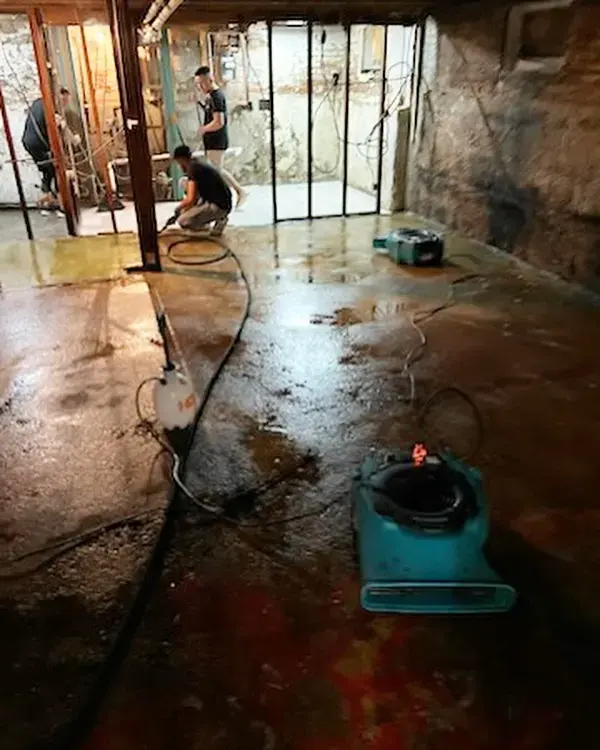
How a burst pipe in an empty cottage is dried
A split pipe has two jobs for the crew: stop the water and find where it went. Both start with a thermal camera and moisture meters.
These tools show cold, wet spots behind walls and under floors, so the crew opens only what readings call for.
Extraction and opening the cavities
Standing water is removed first. Then ceilings and wall bottoms are opened where insulation has soaked, because wet insulation holds water against framing for weeks.
Details of the work appear on the burst pipe water damage page, and the cold-weather side is covered under frozen pipe cleanup.
Drying the structure
After extraction, air movers and dehumidifiers run until the framing and subfloor read dry. In a cottage by the water, humid air makes that slower, so structural drying can take longer than owners expect.
The crew returns each day and logs the readings. Those logs are the proof a claim file needs.
Insurance and the empty house question
Some policies treat a long running leak differently from a sudden break, and a vacant or seasonal home may carry its own conditions. Read the language on vacancy and heat before a freeze, not after.
A call to the agent in October costs nothing. Ask your own insurer what the policy expects of a house left empty over the winter.
Questions
Do Plymouth cottage pipes really freeze if the house is closed?
They can. Plymouth sees deep cold snaps, and pipes in crawl spaces and exterior walls lose heat quickly once the furnace is off or set very low.
Is it better to drain the system or keep the heat on?
Draining removes the water that can freeze, so it is the safer choice for a house left empty. Keeping heat on works only if the power and the heater stay reliable all winter.
What does thermal imaging show after a burst pipe?
It shows temperature differences that mark wet areas behind walls and under floors. Moisture meters then confirm what is wet, so the crew opens only the areas that need it.
How long can a burst pipe run in a closed house?
As long as there is pressure and nobody finds it. That is why a shutoff at the main and regular visits matter.
Who should be called first after finding a split pipe?
Shut off the main, then call a restoration crew to extract water and start drying. A plumber repairs the pipe, and the insurer should hear about the loss early.