Water Extraction and Removal in Duxbury, MA
Tide surges, storm rain and failed fixtures can leave standing water in a Duxbury home. The extraction crew pulls it from floors and carpet before it soaks into the subfloor, then the drying team takes over.
(888) 480-6221Get the water out of your Duxbury home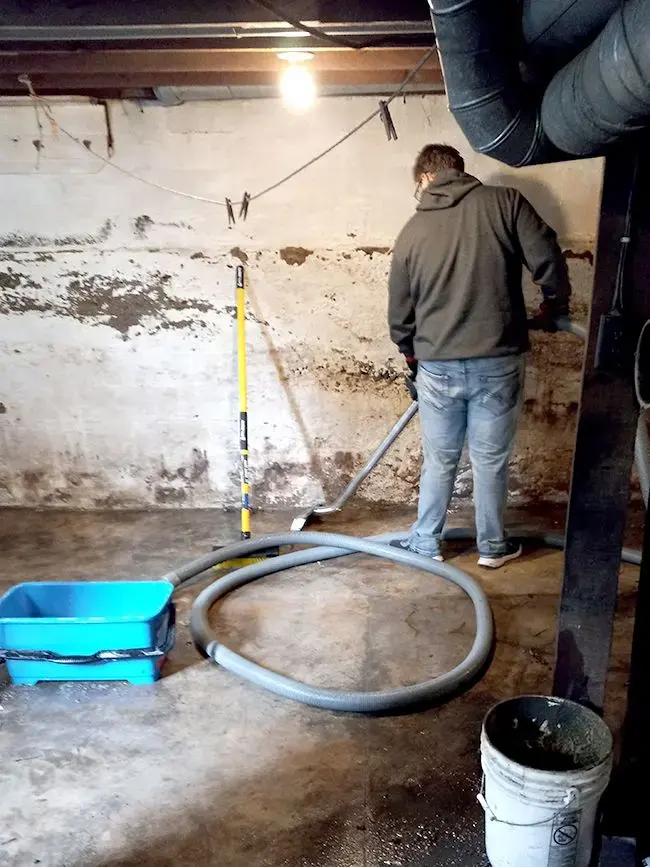
Water Extraction and Removal at a glance
First steps for water extraction and removal in Duxbury
- 1
Stop the supply
Close the main or the fixture valve.
- 2
No household vacuum
Keep it off standing water since it is a shock risk.
- 3
Lift small items
Move rugs and electronics to a dry surface and photograph the water.
- 4
Note the source
Tell the dispatcher the source: pipe, tide, drain or appliance.
How water extraction and removal works in Duxbury
Standing water in a Duxbury home rarely stays on the surface. A storm tide, a heavy rain or a split hose can put it on the floor, and pulling it out early keeps it from reaching the subfloor and the bottoms of the walls.
What does water extraction and removal cost in Duxbury, MA?
In Duxbury, MA, water extraction usually costs $900 to $7,500. A single wet room sits near the low end, while a whole level or basement with deep water sits near the top, depending on volume and flooring.
Single room
$900 to $2,500- Surface extraction
- Carpet and pad check
- Moisture map
Several rooms
$2,500 to $5,000- Truck-mounted extraction
- Pad removal
- Air movers set
Whole level or basement
$5,000 to $7,500- Deep water removal
- Flooring removal
- LGR dehumidifiers
Ranges are typical, not a quote: category of water, square footage, material class and how fast drying started move the number most. Run the water damage cost calculator for a closer range.
The water extraction and removal process, stop by stop
The tech who does the walkthrough maps moisture before any equipment goes down, so the drying plan matches what is actually wet. Equipment stays until the readings say dry, not until the room looks dry.
- 1
Map the water
Meters and a thermal camera trace wet areas beyond the stain.
- 2
Extract
Truck-mounted and portable units remove standing water.
- 3
Set equipment
Air movers and dehumidifiers match the wet surfaces.
- 4
Log to dry
Daily readings continue until materials reach the goal.
What the extraction crew uses
Truck-mounted units pull the most water, and portable extractors reach stairs, closets and rooms a hose cannot reach. Carpet and pad are checked, since pad that stays wet holds water against the subfloor. A pinless meter then shows where water traveled beyond the visible wet area.
- Truck-mounted extraction for large areas.
- Portable units for stairs and tight rooms.
- Moisture meter checks of carpet, pad and subfloor.
When water reaches living areas
Tide and storm water counts as Category 3, so porous materials it touched are removed instead of dried. Water from a supply pipe or a water heater starts clean, and early extraction often lets finishes stay in place. Sewage is its own case, covered under sewage and septic backup cleanup.
- Category 3 floodwater: porous materials out.
- Clean pipe water: dry in place when started early.
- Gray water: pad removed, surfaces treated.
Why extraction comes before drying
Pulling water out beats evaporating it by a wide margin, and every pint removed is a pint the dehumidifiers never handle. After extraction the team maps what is still wet, sets air movers and dehumidifiers and logs readings each day. For a flooded lower level, see basement flooding cleanup.
- Moisture map after the water is out.
- Air movers and LGR dehumidifiers sized to the loss.
- Daily readings until the goal is met.
Water extraction and removal across Duxbury and nearby towns
The Duxbury restoration team covers ZIPs 02332 and 02331, from Powder Point, Snug Harbor and Standish Shore to Hall's Corner, Island Creek and the Route 3 corridor.
The same service nearby: water extraction and removal in Plymouth, Marshfield, Kingston.
Related water damage services in Duxbury
Water Extraction and Removal questions in Duxbury, MA
Does extraction come before drying?
Yes. Removing standing water first is far faster than evaporating it, and it keeps wet pad and subfloor from soaking the lower walls. Dehumidifiers then handle only what extraction could not lift.
Can I use a shop vacuum myself?
For anything deeper than a puddle, a household vacuum near wet floors and outlets is a shock risk and cannot pull water from pad or subfloor.
Is tide or storm water treated differently?
Yes. Coastal floodwater is Category 3, so carpet, pad and porous board it touched are removed and surfaces are treated. See nor'easter and coastal flood cleanup.
Will the carpet have to go?
Clean water caught early can leave carpet in place, though the pad is checked. Gray or black water takes carpet and pad out.
How do you know the water is all out?
Moisture meters and a thermal camera show wet spots in floors and walls, and the team keeps checking until readings stop showing hidden pockets.
Does insurance cover water extraction?
Sudden water from a split pipe or a failed appliance is often covered, while tidal flooding usually falls under flood insurance. Policies differ, so ask your own insurer.
Still dealing with water extraction and removal?
Shut off the water at the source if it is safe, keep clear of wet outlets, then call.
Get the Duxbury water out before it spreads.
Every inch of standing water soaks deeper into pad and subfloor. The extraction crew removes it, maps what is wet and sets the drying equipment.
(888) 480-6221Call for Duxbury extraction- Dispatch around the clock, storm nights included
- Drying held to the IICRC S500 standard
- Daily moisture logs for the claim file
- Find us on Google