Frozen Pipe Cleanup in Kingston, MA
A pipe that freezes in a Kingston winter often splits quietly, then sends water through the wall once it thaws. The restoration crew finds the break, extracts the water and dries the cavities behind it.
(888) 480-6221Get the Kingston thaw damage handled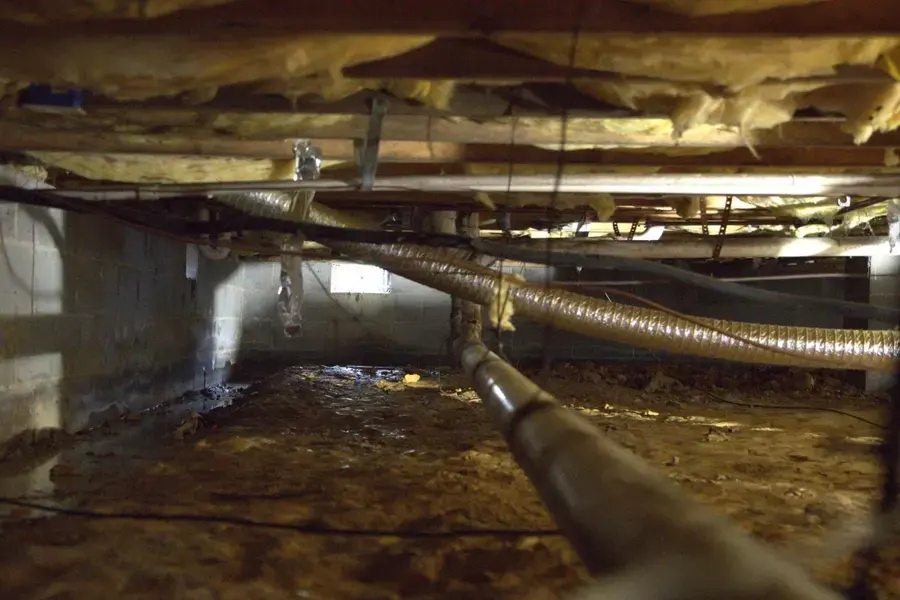
Frozen Pipe Cleanup at a glance
First steps for frozen pipe cleanup in Kingston
- 1
Shut the main
Turn off the main valve once a pipe is split or dripping.
- 2
Skip the open flame
Thaw only with gentle warm air, never a torch.
- 3
Open the taps
Let thawed pipes drain slowly into a sink or bucket.
- 4
Photograph and call
Record the split, the wet walls and ceilings, then call the crew.
How frozen pipe cleanup works in Kingston
Ice expands inside a pipe until the wall of the pipe gives way, and nobody notices until the thaw. Pressure returns, and the split starts to spray or seep into framing, insulation and the ceiling below. A split can also hide until a ceiling stains.
What does frozen pipe cleanup cost in Kingston, MA?
In Kingston, MA, frozen pipe cleanup typically runs $1,200 to $10,000. A single split in an open wall sits low, while a break that soaked several floors or a finished ceiling reaches the top of the range.
One split, one room
$1,200 to $3,000- Pipe traced
- Wall cavity dried
- Daily readings
Several rooms
$3,000 to $6,500- Ceiling cuts
- Insulation out
- Extra equipment
Multi-floor break
$6,500 to $10,000- Water in two levels
- Longer drying
- Detailed file
Ranges are typical, not a quote: category of water, square footage, material class and how fast drying started move the number most. Run the water damage cost calculator for a closer range.
The frozen pipe cleanup process, stop by stop
The tech who does the walkthrough maps moisture before any equipment goes down, so the drying plan matches what is actually wet. Equipment stays until the readings say dry, not until the room looks dry.
- 1
Find the split
Thermal imaging and meters follow the cold, wet path.
- 2
Pull the water
Extractors clear pooled water from floors and cavities.
- 3
Open selectively
Only walls and ceilings with high readings get cut.
- 4
Dry and document
Equipment runs until readings match a dry reference, logged daily.
Where frozen pipes usually fail
Cold Massachusetts winters can split pipes in older and seasonal buildings. Spots that sit outside the heated envelope take the worst of it.
- Exterior walls with thin insulation around a supply pipe.
- Crawl spaces, garages and unheated porches.
- Seasonal homes and rentals left empty for the winter.
- Pipes feeding an outdoor spigot.
What the restoration crew does after a thaw
Thermal imaging and pinless meters trace the wet path, because water from a split can travel along a pipe run well past the break. The crew extracts what pooled, opens only the cavities the readings point to and sets drying equipment.
- Shut-off and a look at the supply side first.
- Wet insulation removed from the cavities it soaked.
- Water-stained ceilings checked below any freeze-prone wall.
- Dehumidifiers and air movers with readings every day.
Clean water, but still a fast job
A freeze break begins as Category 1 water, which keeps most materials savable if drying starts quickly. Waiting lets it turn gray as it sits in insulation and carpet. Ice in the wall also tends to leave a second, smaller leak where the pipe thaws unevenly. A similar loss is covered under burst pipe water damage, and cleanup of the water itself falls under water extraction.
Frozen pipe cleanup across Kingston and nearby towns
The restoration crew handles ZIP 02364, including Rocky Nook, Silver Lake, the Jones River corridor, the Wapping Road area and homes along Route 3A.
The same service nearby: frozen pipe cleanup in Plymouth, Duxbury, Marshfield.
Related water damage services in Kingston
Frozen Pipe Cleanup questions in Kingston, MA
Can a frozen pipe cause water damage before it thaws?
Usually not. Ice plugs the split, and the water spreads once it melts and pressure returns, which is why damage tends to show up after the cold breaks.
Is water from a frozen pipe contaminated?
It begins as clean Category 1 water. That changes if it sits for days in insulation or carpet, so quick extraction and drying keep more materials in place.
Where do pipes freeze in Kingston homes?
Exterior walls, crawl spaces, garages and spaces left unheated are the usual places. Seasonal buildings that stand empty through winter are also at risk.
Should the water be shut off right away?
Yes. Closing the main stops new water at the source, and opening a tap lets the remaining pressure drain. Power to wet rooms should stay off if the panel is not dry.
Will the walls need to be opened?
Only where readings call for it. Thermal imaging and meters show which cavities hold water, so the crew cuts small openings rather than whole rooms.
Does homeowners insurance cover frozen pipe damage?
A sudden break is often covered, though policies can add conditions about heat being kept on. Ask your own insurer before work beyond emergency drying begins.
Still dealing with frozen pipe cleanup?
Shut off the water at the source if it is safe, keep clear of wet outlets, then call.
Thawed pipe soaking a Kingston wall?
Water keeps traveling along framing until it is stopped. The crew finds the split, extracts the water and starts drying.
(888) 480-6221Kingston pipe damage crew, 24/7- Dispatch around the clock, storm nights included
- Drying held to the IICRC S500 standard
- Daily moisture logs for the claim file
- Find us on Google